Hearing loss almost never arrives suddenly. Hearing loss can sneak in over months or years, and many people spend a surprisingly long time blaming background noise, mumbling relatives, or a bad phone line before getting their hearing checked. Delaying a hearing check can limit your options – identifying hearing changes earlier gives you more ways to manage them. Here is what the early signs actually look like, and when it is time to see an audiologist rather than wait it out.
Key Takeaways
- Early hearing loss is usually gradual and easy to dismiss – struggling in noisy environments and frequently asking people to repeat themselves are two of the most common first signs.
- Sudden hearing loss, over hours or a day or two, is different and needs urgent medical attention, not a routine booking.
- You do not need a GP referral to see an audiologist in Australia – most private clinics accept direct bookings.
- Tinnitus (ringing or buzzing in the ears) is always worth a professional assessment, since it is often linked to an underlying hearing change.
- Children show different signs than adults – delayed speech, inattentiveness, or frequently not responding to sounds are worth having checked early, given how central hearing is to language development.
Early Signs Worth Paying Attention To
- Struggling in noisy environments, such as restaurants or family gatherings, while conversations one-on-one in quiet rooms still feel manageable.
- Frequently asking others to repeat themselves, or relying more on lip-reading and visual cues than you used to without really noticing the shift.
- Turning one ear toward a speaker, which can indicate hearing loss affecting one side more than the other.
- Feeling unusually fatigued after socialising, which happens because the brain works harder to fill in gaps when hearing is reduced – a sign that is easy to attribute to something else entirely.
- Turning the TV or phone volume up to a level others in the room find too loud.
When It Is an Emergency
Sudden hearing loss can develop over a few hours or a day or two. You may notice that one ear feels blocked, or you may completely lose hearing on one side. Doctors treat sudden hearing loss differently from gradual hearing loss and consider it a medical emergency in Australia. See a doctor or go to your local emergency department straight away rather than waiting for a routine audiology appointment, as starting treatment early can significantly improve the outcome.
What an Audiologist Actually Does
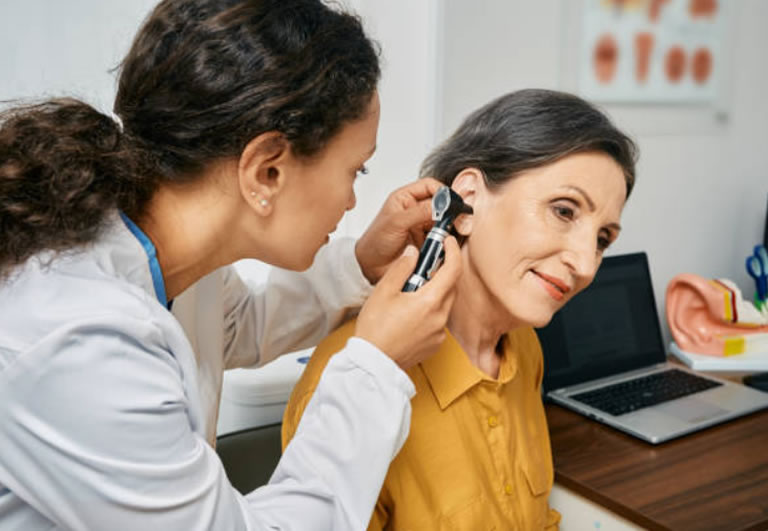
An audiologist is a specialist in hearing and balance assessment, trained at postgraduate level in Australia, and distinct from a hearing aid dispenser or a medical doctor. Most private audiology clinics do not require a GP referral, which makes it a straightforward first step if you are noticing changes. A comprehensive hearing test goes beyond a basic screening. It maps your hearing across different frequencies, identifies the type and degree of any hearing loss, and provides a detailed report to guide the next steps. Depending on the results, your audiologist may recommend hearing aids, monitor your hearing over time, or refer you to an ENT specialist if they identify signs of a medical condition.
Hearing Loss in Children
Children show different signs than adults, and they are easy to miss because a child cannot always articulate that something feels different. Watch for delayed speech development, a child who seems inattentive or easily distracted, frequently asks for things to be repeated, or does not respond to sounds the way you would expect. Around 2 in every 1,000 school-age children in Australia have some form of hearing loss, and because hearing plays such a central role in language development and learning, early assessment matters more than with many other childhood concerns.
Tinnitus and Balance
Tinnitus – ringing, buzzing, or humming in the ears without an external source – is always worth having assessed professionally, as it often accompanies an underlying change in hearing that an audiologist can identify. The inner ear also plays a significant role in balance, so unexplained dizziness or a spinning sensation with no obvious cause can be worth investigating through an audiological assessment as well as a GP review, particularly for older adults where balance issues carry a higher fall risk. Falls prevention is a genuine concern in aged care settings, and addressing an undiagnosed hearing or balance issue is sometimes part of that picture.
Support and Funding Options
Hearing support in Australia is not entirely out-of-pocket for everyone. The Hearing Services Program provides free hearing checks and subsidised hearing aids for eligible pensioners and veterans, and some support may also be accessed through the NDIS where hearing loss significantly affects daily function. An audiologist can advise on which funding pathways you may be eligible for as part of an initial assessment.
Frequently Asked Questions
Do I need a GP referral to see an audiologist?
No, in most cases. Most private audiology clinics in Australia accept direct bookings without a referral, which makes it a straightforward first step if you notice any of the signs above.
Are over-the-counter hearing devices like AirPods a substitute for hearing aids?
Not for most people. Over-the-counter devices can help with mild to moderate hearing loss in some cases, but they lack the custom tuning and amplification of properly fitted hearing aids, which audiologists calibrate to your specific hearing profile.
Can hearing loss be reversed?
It depends on the cause. Clinicians can often resolve hearing loss caused by a blockage such as earwax directly. However, clinicians generally cannot reverse nerve-level hearing loss, but hearing aids, communication strategies, and ongoing management can substantially improve day-to-day function.
How often should I get my hearing checked?
Audiology Australia recommends treating hearing checks like regular dental or eye checks. Get your hearing tested whenever you notice a concern, and consider getting a baseline check earlier if you work in a noisy environment or have a family history of hearing loss.
This guide is general information current as of 2026 and is not a substitute for professional medical advice. If you experience sudden hearing loss, seek medical attention immediately.