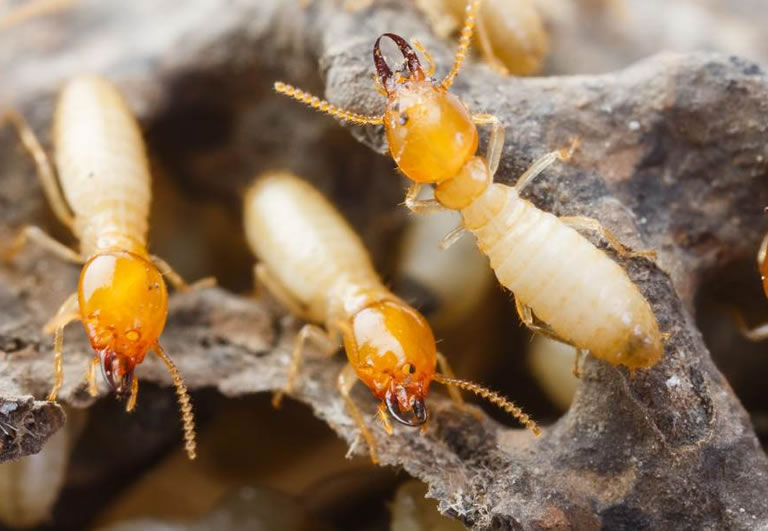
Termites cause more than $1.5 billion in property damage across Australia every year, and the reason the figure is so high is not that termites are hard to stop – it is that they are hard to notice. Active colonies feed inside walls, under floors, and in roof voids for months or years before any visible sign appears. Regular inspection is the only real defence, but it is worth knowing what you are actually paying for.
Key Takeaways
- Australian Standard AS 3660 recommends a professional termite inspection at least once every 12 months for most homes, and every 6 months in high-risk areas.
- A standard inspection costs roughly $200–$500, while structural repair after an active infestation can run from $5,000 to well over $100,000.
- Termite damage is specifically excluded from most Australian home and contents insurance policies, which makes prevention the only real protection.
- A very cheap inspection (under roughly $150–$200) is worth questioning – it often means a quick visual walk-through that skips roof voids and crawl spaces.
- Timber-framed homes, properties near bushland or water, and homes with a history of past activity generally warrant more frequent checks than the 12-month minimum.
How Often You Actually Need an Inspection
The Australian Standard (AS 3660) recommends a professional inspection at least every 12 months for most residential properties. That said, a flat annual schedule is not right for every home:
- High-risk properties – homes with previous termite activity, timber construction, or heavy surrounding vegetation – often benefit from six-monthly inspections instead.
- Climate matters. Subtropical and tropical regions of Queensland and northern Australia see termite activity year-round, while cooler southern regions may see it slow over winter without stopping entirely.
- Your first inspection report should tell you what frequency is actually appropriate for your specific property, rather than defaulting to the standard interval regardless of risk.
What Drives the Cost
-
- Property size and layout. A small unit might cost $150–$200, while a large multi-level home with extensions and outbuildings can justify $400–$500.
- Detection technology. Basic inspections rely on visual assessment with a torch and probe. Premium inspections add thermal imaging and moisture meters, which can detect activity hidden inside walls that a visual check would miss, typically adding $50–$100 to $300–$550 total.
- Access difficulty. Crawl spaces, difficult roof access, and extensive landscaping all add time and therefore cost.
- Bundled inspections. Combining a termite check with general pest inspection, or booking a pre-purchase building and pest inspection together, is often better value than separate bookings, typically $250–$450 combined.
- Ongoing water issues make things worse. Moisture around a home’s foundations attracts termites, so preventing water damage with proper plumbing care is a useful complementary step, not just a separate maintenance task.
A significant price gap between quotes usually reflects a difference in service level – detection technology and reporting detail – rather than one provider simply overcharging. That said, a properly licensed, experienced inspector matters more than the price tag alone.
What to Expect on Inspection Day
- A visual inspection of accessible areas including roof voids, subfloor spaces, and around the building perimeter, checking for mud tubes, damaged or hollow-sounding timber, and moisture buildup near the structure.
- Additional tools where included – thermal imaging cameras to detect activity inside walls, and moisture meters that can also pick up faint sounds from feeding termites.
- A written report detailing findings and a recommended inspection interval going forward, which is worth insisting on regardless of which provider you use.
- If active termites are found, a recommendation for treatment – this is a separate service from the inspection itself, and can range from a chemical soil barrier (roughly $2,500–$8,000) to more extensive remediation if structural damage has already occurred.
An inspection is closely related in spirit to other preventive home safety checks, such as asbestos testing before a renovation – both are about catching a hidden structural or health risk before it becomes an expensive and disruptive problem.
Frequently Asked Questions
Is termite damage covered by home insurance in Australia?
No, in almost all cases. Termite damage is specifically excluded from the vast majority of home and contents insurance policies because it is treated as a preventable maintenance issue rather than a sudden event. This is exactly why regular inspections matter.
Can I inspect for termites myself to save money?
A basic visual check around the property is worth doing between professional inspections, but it cannot replace a licensed inspection. Professionals check roof voids, subfloors, and hidden areas using tools most homeowners do not have, and know what early-stage activity actually looks like.
What is the difference between a termite inspection and termite treatment?
An inspection identifies whether termites are present and assesses risk; treatment is the separate service of actually eliminating an active infestation or installing a preventive barrier. Many homeowners confuse the two, but sellers price and deliver them separately.
Should I get a termite inspection before buying a house?
Yes. A pre-purchase building and pest inspection is one of the more detailed and valuable inspections available, since it flags a costly hidden problem before you are committed to the property, when you still have room to negotiate or walk away.
This guide is general information current as of 2026. Recommended inspection intervals and costs vary by property, location and provider – confirm current advice with a licensed pest inspector for your specific home.