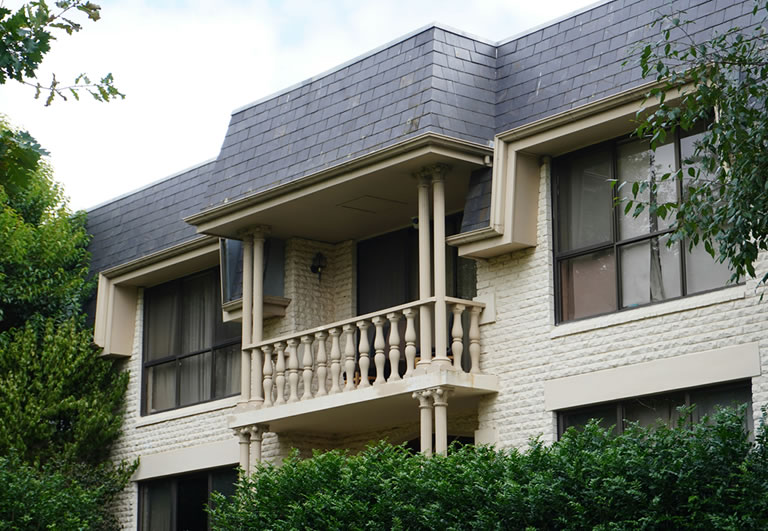
Residential tenancy law in Australia is state law, not federal law. There is no national landlord code, no single regulator, and no set of obligations that travels with you across a border. An investor who owns a house in Melbourne and a unit in Brisbane is operating under two different statutes, two different tribunals, and two different sets of duties that occasionally reverse each other outright.
This guide sets out the four recurring obligation types that exist in every jurisdiction, explains where the jurisdictions genuinely diverge, and points to the regulator you actually need for your property.
Key Takeaways
- Four obligation types recur nationally: property condition standards, periodic safety checks, smoke alarms, and pool barriers. What each contains varies substantially.
- Victoria is the most prescriptive jurisdiction and the only one that mandates recurring gas and electrical safety checks.
- Smoke alarm duties are not consistent. NSW forbids delegating the obligation to the renter, while Queensland and the Northern Territory impose an annual testing duty on the renter directly.
- Victoria uses different legal terminology to the rest of the country. “Landlord”, “tenant” and “lease” have no standing there.
- Compliance costs sit with the owner in every jurisdiction and are not recoverable from the renter.
The Four Obligation Types
1. Property condition standards
Most jurisdictions now prescribe a minimum condition the property must meet, covering things like structural soundness, working locks, ventilation, lighting and functioning wet areas. The number and detail of these standards differs. Victoria prescribes 15 categories in considerable detail. Other jurisdictions use shorter or more general lists.
The important structural question is when the standard has to be met. Victoria moved that checkpoint to the advertising stage, meaning the property must comply before the listing goes up rather than before the renter moves in. That is a materially different deadline from a regime where compliance is assessed at the start of the tenancy.
2. Periodic safety checks
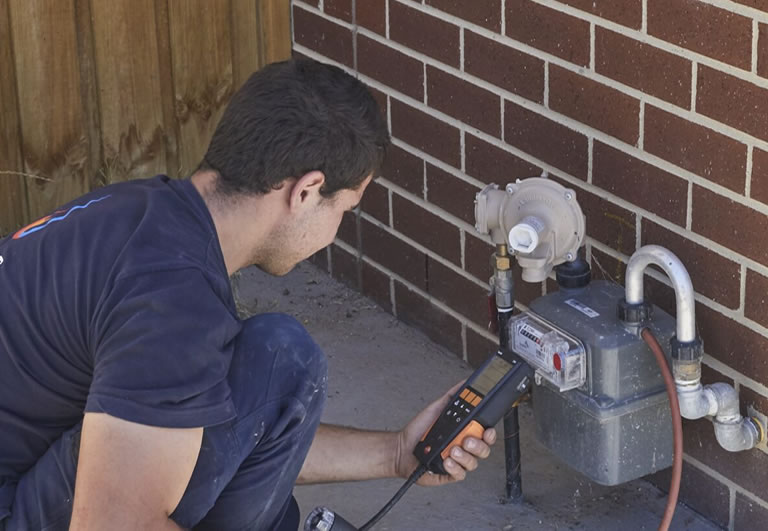
This is where the jurisdictions diverge most sharply. Victoria requires gas safety checks every two years by a gasfitter endorsed for Type A appliance servicing, and electrical safety checks every two years by a licensed electrician, for agreements entered into after 29 March 2021. Victoria is the only jurisdiction that imposes recurring gas and electrical checks of this kind.
Everywhere else, including New South Wales, the obligation is framed as a general duty to keep the property in reasonable repair and fit for occupation, without a prescribed inspection interval. That is not the same as having no obligation. It means the standard is assessed after something goes wrong rather than on a calendar.
3. Smoke alarms
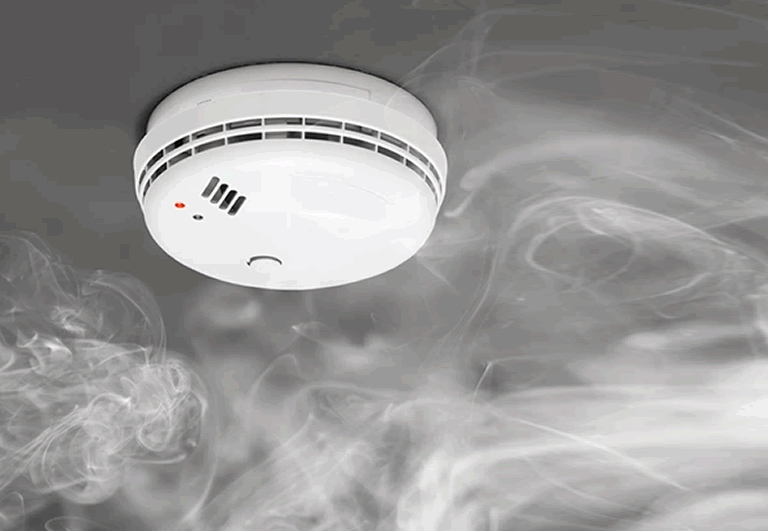
Universal in requirement, inconsistent in execution. Every jurisdiction requires alarms complying with AS 3786 and makes the owner responsible for installing them. The testing duty, the hardware specification and the response timeframe for a reported fault all vary.
Queensland requires interconnected photoelectric alarms in every bedroom, hallway and storey of a rental. Tasmania prohibits replaceable-battery alarms in rentals entirely. NSW imposes a two-business-day repair deadline. Victoria extended its annual check to every rental property from November 2025, including long-running periodic agreements that earlier reforms had missed.
This one obligation carries enough divergence to warrant its own guide: smoke alarm rules for rental properties in every state.
4. Pool and spa barriers
A separate regime again, usually sitting outside tenancy law in dedicated pool safety legislation. Registration requirements, compliance certificates and inspection cycles differ by state, and in several jurisdictions a valid certificate must be provided before a lease can commence. See pool fencing laws across Australia for the detail.
Terminology: Victoria Is Different
Victoria renamed the parties in 2021. A landlord is a residential rental provider, a tenant is a renter, and a lease is a rental agreement. This is not cosmetic. Using the old terms in correspondence or at VCAT marks you as someone who has not read the current Act, which is not the impression you want to make in a dispute.
Every other jurisdiction retains landlord and tenant.
Where to Go for Your Property
The regulator and tribunal for each jurisdiction:
- Victoria. Consumer Affairs Victoria. Disputes go to VCAT. Governed by the Residential Tenancies Act 1997 and the Residential Tenancies Regulations 2021.
- New South Wales. NSW Fair Trading. Disputes go to NCAT. Governed by the Residential Tenancies Act 2010 and the Residential Tenancies Regulation 2019.
- Queensland. The Residential Tenancies Authority. Disputes go to QCAT. Smoke alarm requirements sit under fire services legislation rather than tenancy law.
- Western Australia. Consumer Protection, within the Department of Energy, Mines, Industry Regulation and Safety. Smoke alarm requirements sit under the Building Regulations.
- South Australia. Consumer and Business Services. Disputes go to SACAT.
- Tasmania. Consumer, Building and Occupational Services. Tasmania has a Residential Tenancy Commissioner who can issue orders requiring an owner to comply.
- Australian Capital Territory. Access Canberra. Disputes go to ACAT.
- Northern Territory. NT Consumer Affairs. Disputes go to NTCAT.
Deep Dives by Jurisdiction
Detailed guides for individual jurisdictions, expanded over time:
- Victoria: the 15 rental minimum standards and the two-yearly safety checks
- New South Wales: the 7 minimum standards, smoke alarms and urgent repairs
- Queensland: minimum housing standards, emergency repairs and smoke alarms
Guides for the remaining states and territories are in preparation. Because tenancy law is genuinely state-specific and changes frequently, we publish these as verified jurisdiction guides rather than as a single summary table that would be out of date within months.
The Obligations That Catch People Out
Assuming a property manager has it covered
Engaging an agent does not transfer the statutory obligation. In most jurisdictions the duty sits with the owner, and the agent acts on your behalf. If a safety check lapses, the owner is the one in breach. Ask your agent directly which compliance items they actively manage and which they assume you are handling. The gap between those two lists is where problems live.
Treating a strata inspection as sufficient
Common area fire safety inspections do not cover alarms inside individual lots. The lot owner retains the obligation for their own unit regardless of what the owners corporation arranges.
Missing the urgent repairs regime
Every jurisdiction defines a category of urgent repairs with compressed response times, and most allow the renter to arrange the work themselves up to a capped amount if the owner cannot be reached. In Victoria that cap is $2,500, and the rental provider must repay within seven days of a written request. The caps and timeframes differ elsewhere, but the principle does not: an unreachable owner loses control of both the tradesperson and the price.
Having an after-hours contact who actually answers is worth more than it appears. The cost difference between a repair you arrange and one arranged at short notice by someone with no incentive to compare quotes usually exceeds the inconvenience of being reachable.
Passing compliance costs to the renter
Safety checks, minimum standards rectification and smoke alarm maintenance are the owner’s costs in every jurisdiction. They are ordinary holding costs of an investment property, not an outgoing recoverable from the renter.
A Compliance Calendar Worth Keeping
Most breaches are administrative rather than deliberate. A property that was fully compliant at the start of a tenancy drifts out of compliance because a date passed and nobody was watching. The items worth diarising:
- Smoke alarm test, on whatever interval applies in your jurisdiction, plus the manufacture date of each alarm so you can plan replacements at the ten-year mark.
- Gas and electrical safety checks, if you hold Victorian property, on a two-yearly cycle.
- Pool barrier compliance certificate renewal, where applicable.
- Condition report review at each routine inspection, with photographs.
- Lease renewal, since several obligations are triggered by the start or renewal of an agreement rather than by the calendar.
Keep the supporting documents with the calendar. In every jurisdiction, the practical test in a dispute is whether you can produce a dated record, not whether you remember doing the work.
Frequently Asked Questions
Do I follow the law where I live or where the property is?
Where the property is. Tenancy law attaches to the location of the premises. If you live in Sydney and own a rental in Melbourne, Victorian law applies to that property in full, including the terminology.
Which jurisdiction is the most demanding?
Victoria, on most measures. It prescribes the most detailed minimum standards, it is the only jurisdiction mandating recurring gas and electrical safety checks, and it moved the compliance checkpoint to the advertising stage. Queensland is the most prescriptive on smoke alarm hardware specifically.
Does an agent’s compliance certificate satisfy the law?
Usually not in itself. Certificates issued by maintenance companies are commercial documents rather than statutory ones, and no jurisdiction issues a universal compliance certificate. They are useful evidence, not a legal safe harbour.
What happens if I inherit a non-compliant property?
The obligation transfers with ownership and is not reduced by the fact that a previous owner let things lapse. If you are buying a tenanted property, assess compliance before settlement, when rectification costs are still negotiable.
Are short-term and holiday rentals covered?
Generally not by residential tenancy law, which applies to residential tenancy agreements. Short-stay accommodation is usually regulated separately, and building and fire safety requirements may still apply. Confirm the position for your arrangement rather than assuming either way.
This guide is general information current as of 2026 and is not legal advice. Residential tenancy law is state and territory law and changes frequently. The jurisdiction summaries above are an orientation, not a substitute for the current requirements published by the relevant regulator. Confirm the position for your property with the regulator listed for your state or territory, or seek advice specific to your circumstances.