New South Wales takes a different approach to Victoria. Where Victoria prescribes 15 detailed minimum standards and mandates recurring gas and electrical safety checks, NSW sets seven broader habitability standards and then imposes sharp, specific duties in a small number of high-risk areas. Smoke alarms are the clearest example: NSW gives you two business days to repair a reported fault, and expressly prevents you from shifting that responsibility onto the tenant.
The practical effect is that NSW is less demanding on paperwork and more demanding on response time.
Key Takeaways
- Seven minimum standards define whether a property is fit to live in, and they must be maintained throughout the tenancy, not just met at the start.
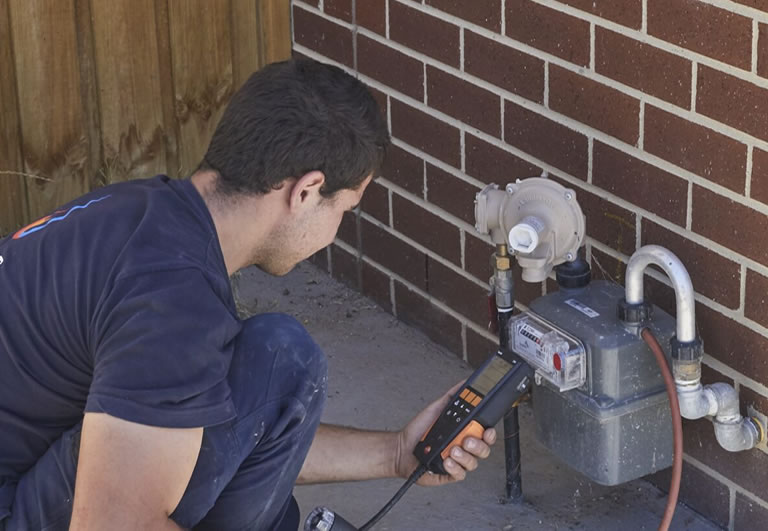
- NSW does not mandate recurring gas or electrical safety checks. The obligation is a general duty to keep the property in a reasonable state of repair.
- Smoke alarm faults must be repaired within two business days, and a landlord cannot delegate smoke alarm responsibility to a tenant through the tenancy agreement.
- Eleven specific repair types are classified as urgent by law, and a tenant who cannot reach you can arrange them independently.
- Fair Trading can issue a rectification order requiring a landlord to carry out repairs, separately from any NCAT proceedings.
The Seven Minimum Standards
Under section 52 of the Residential Tenancies Act 2010, landlords must provide a property in a reasonable state of cleanliness and fit for the tenant to live in. To be fit to live in, the property must at a minimum:
- be structurally sound
- have adequate natural or artificial lighting in each room, except storage rooms or garages
- have adequate ventilation
- be supplied with electricity or gas, and have enough electricity or gas sockets for lighting, heating and other appliances
- have adequate plumbing and drainage
- have a water connection that can supply hot and cold water for drinking, washing and cleaning
- have bathroom facilities, including toilet and washing facilities that allow users’ privacy
Two features of this list matter more than the list itself.
First, meeting all seven does not automatically make a property fit to live in. Fair Trading is explicit that a property could have other issues rendering it unfit even where the seven standards are satisfied. The seven are a floor, not a safe harbour, and that is a meaningfully different structure from Victoria’s exhaustive 15-category list.
Second, the standards must be maintained throughout the tenancy. A property that was compliant at the start of the lease and has since developed a drainage problem is no longer compliant.
How the general repair duty is assessed
Landlords must maintain the property in a reasonable state of repair, judged against the age of the property, the amount of rent being paid, and the prospective life of the property. Fair Trading states plainly that this does not mean the property must be in perfect condition.
This is a genuinely relative standard. A 1960s cottage let at modest rent is not held to the same condition as a new townhouse at premium rent. That cuts both ways, and it is why NSW disputes tend to turn on reasonableness arguments rather than on whether a prescribed box was ticked.
Landlords must also provide and maintain locks or other security devices so the property is reasonably secure.
Smoke Alarms: The Strictest Part of the NSW Regime
This is where NSW is more prescriptive than its general repair duty would suggest.
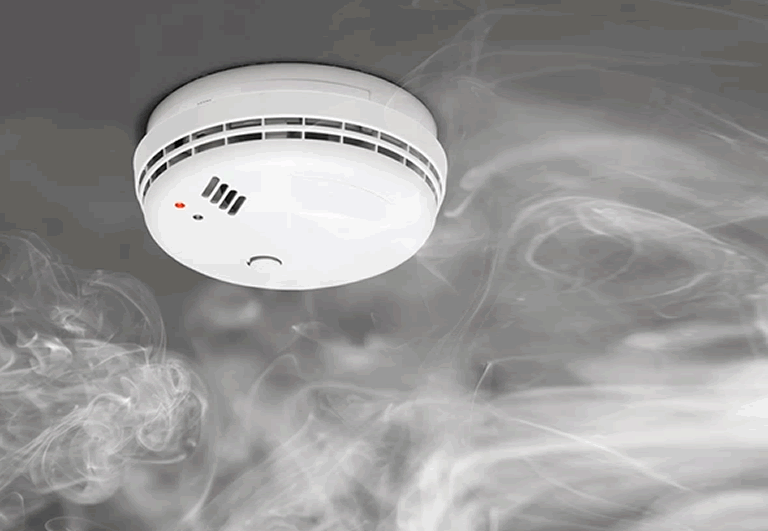
Landlords and agents must ensure smoke alarms, including heat alarms, are working. A landlord cannot delegate responsibility for working smoke alarms to a tenant in a residential tenancy agreement. A clause attempting to do so is ineffective, regardless of whether the tenant agreed to it.
An alarm is considered not working if it has been removed and not replaced with a working alarm, if it does not function because the battery is flat, or if it is malfunctioning through accumulated dust, insects, airborne contaminants or corrosion of electrical circuitry.
The core duties:
- Annual checks. Landlords and agents must check alarms every year to confirm they are working.
- Two business days to repair. Where an alarm is not working, it must be repaired within two business days. Replacing a battery counts as a repair for this purpose.
- Ten-year replacement. Alarms must be replaced within ten years of manufacture, or earlier if the manufacturer specifies.
- Annual batteries. Removable batteries must be installed or replaced every year. Lithium batteries follow the manufacturer’s period.
Tenants must notify the landlord or agent when they discover an alarm is not working. Where a tenant is permitted to change a battery or engage a licensed electrician, they must notify the landlord within 24 hours of completing the work, and the landlord reimburses their costs within seven days of written notice with receipts.
These rules do not apply to social housing tenancies.
For how this compares elsewhere, see smoke alarm rules for rental properties in every state. The contrast with Queensland is the sharpest: there the tenant carries an annual testing duty, the reverse of the NSW position.
Strata properties
A landlord who owns a lot in a strata scheme still has an obligation to ensure alarms inside the property are working. Where the owners corporation is responsible for repair and replacement of alarms, the landlord’s obligations differ in detail but do not disappear.
The common mistake is treating the building’s annual fire safety inspection as covering your unit. It generally does not extend to battery changes or alarm expiry dates inside individual lots.
Urgent Repairs: The Full List
NSW law defines urgent repairs specifically. Under the residential tenancy laws, an urgent repair means:
- a gas leak
- a dangerous electrical fault
- flooding or serious flood damage
- serious storm or fire damage
- a failure or breakdown of the gas, electricity or water supply to the property
- a failure or breakdown of any essential service for hot water, cooking, heating, cooling or laundering
- a fault or damage which makes the property unsafe or insecure
- a burst water service
- an appliance, fitting or fixture that uses or supplies water that is broken or not functioning properly, so that a substantial amount of water is being wasted
- a blocked or broken toilet
- a serious roof leak
Note what is on this list that landlords often treat as routine. A blocked toilet is urgent. A broken cooktop is urgent, because cooking is an essential service. A leaking tap wasting a substantial amount of water is urgent. None of these are things you can reasonably defer to the next scheduled maintenance round.
Tenants must notify you of urgent repair needs straight away. If you or your agent do not fix the problem, the tenant refers to the approved repairers listed in the tenancy agreement and can proceed from there.
That clause in your tenancy agreement is worth attention. If the nominated repairers are out of date, unreachable or no longer trading, you have effectively handed the choice of tradesperson to the tenant.
Non-urgent repairs
For anything outside the urgent list, the landlord or agent arranges the work. A tenant needs written permission to carry out repairs themselves, including agreement on reimbursement, except for urgent repairs and certain smoke alarm repairs.
After a Natural Disaster
Serious storm, fire or flood damage all fall within the urgent repairs definition. Given how much NSW housing stock sits in flood and bushfire exposed areas, this is not a marginal provision. If a property is affected, the compressed urgent-repair timeline applies immediately rather than after an insurance assessment.
Do not wait for an insurer before addressing habitability. The tenancy obligation and the insurance claim run on separate tracks.
What NSW Does Not Require
Worth stating explicitly, because guidance written for a national audience often blurs it.
NSW does not mandate recurring gas safety checks. NSW does not mandate recurring electrical safety checks. Those two-yearly obligations are specific to Victoria, and a NSW landlord reading Victorian material can easily conclude they are behind on requirements that do not apply to them.
That said, the general duty to maintain the property in a reasonable state of repair still applies to gas and electrical systems. The absence of a prescribed inspection interval means the standard is assessed after a failure rather than on a schedule, which is not obviously the easier position to be in.
Many NSW landlords arrange periodic electrical checks voluntarily. There is no legal requirement, but there is a clear evidentiary benefit if something goes wrong.
If a Dispute Arises
Fair Trading encourages landlords and tenants to resolve matters directly first. If that fails, a landlord can contact Fair Trading’s tenancy complaints and disputes service, or lodge an application directly with the NSW Civil and Administrative Tribunal.
One mechanism worth knowing: in some situations Fair Trading may issue a rectification order requiring a landlord to undertake repairs, or requiring a tenant to fix damage. This sits outside the tribunal process and can arrive without any NCAT application being made.
A Practical NSW Compliance Routine
- Check every smoke alarm annually, and record the manufacture date of each unit so you can plan the ten-year replacement rather than discover it.
- Confirm the approved repairers listed in your tenancy agreement are current and contactable, and update them at each renewal.
- Have an after-hours contact who genuinely answers. The urgent repairs list is broad enough that something on it will eventually happen.
- Walk the seven minimum standards at each routine inspection, particularly drainage, ventilation and hot water, which degrade quietly.
- Photograph and date everything in the condition report, including alarm locations and manufacture dates.
- Respond to every reported fault in writing, even if only to acknowledge it. An unanswered report is the weakest position at NCAT.
If the property has a pool or spa, that runs under separate legislation again, with registration and compliance certificate requirements that can hold up a lease independently. See pool fencing laws across Australia.
Frequently Asked Questions
Can I write into the lease that the tenant maintains the smoke alarms?
No. A landlord cannot delegate responsibility for working smoke alarms to a tenant in a residential tenancy agreement. The clause will not protect you, and its presence may suggest you understood the obligation and tried to avoid it.
Is a blocked toilet really an urgent repair?
Yes. A blocked or broken toilet appears expressly in the statutory list of urgent repairs. So does a broken appliance for cooking, heating, cooling or laundering.
Do I need an electrical safety certificate for my NSW rental?
There is no recurring electrical safety check mandated for NSW rentals, unlike Victoria. The general obligation to maintain the property in a reasonable state of repair still covers electrical systems, and many landlords arrange voluntary checks for evidentiary reasons.
My property is old and the rent is low. Does that change what I owe?
To a degree, yes. Reasonable state of repair is assessed considering the age of the property, the rent paid and the prospective life of the property, and Fair Trading confirms the property need not be in perfect condition. This does not extend to the seven minimum standards or to urgent repairs, which apply regardless.
Who pays when a tenant arranges an urgent repair?
The landlord. Urgent repairs remain the landlord’s cost, and the tenant is entitled to reimbursement where they have followed the required process.
Does the owners corporation’s fire inspection cover my unit’s alarms?
Generally not. Common area fire safety statements do not usually extend to alarms inside individual lots. Confirm the split with strata management, but the lot owner retains an obligation to ensure alarms in the property are working.
This guide is general information current as of 2026 and is not legal advice. New South Wales rental law is set out in the Residential Tenancies Act 2010 and the Residential Tenancies Regulation 2019, and does change. Confirm current requirements with NSW Fair Trading on 13 32 20, or seek advice specific to your property, before relying on this guide.
For how New South Wales compares with the other states and territories, see our overview of landlord obligations across Australia.