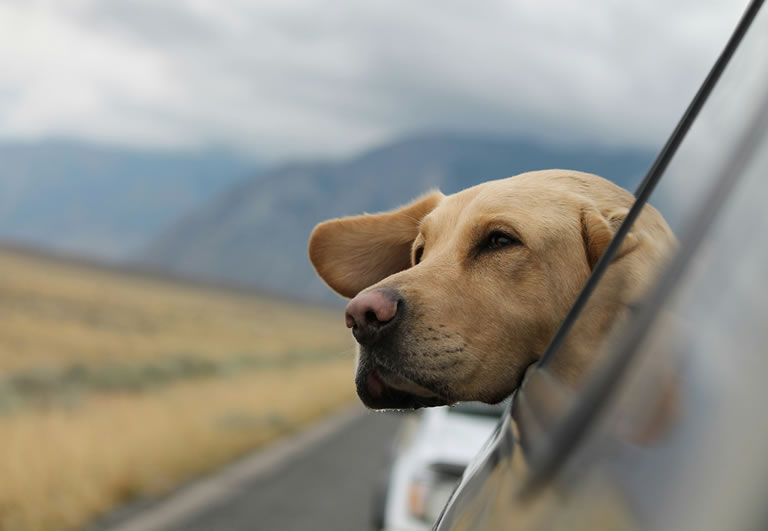
Travelling with a dog changes the shape of a road trip – not just what you pack, but how often you stop, where you can stay, and how the car itself needs to be set up. Done well, it is one of the best ways to see Australia. Done without a plan, it is a stressed dog, a distracted driver, and a scramble to find pet-friendly accommodation at 6pm. Here is how to actually plan for it.
Key Takeaways
- Dogs must be restrained in the car in most Australian states – a loose dog is both a legal issue and a genuine driver-distraction risk.
- Plan rest stops every two to three hours for water, a toilet break, and a stretch – this matters as much for your dog’s wellbeing as your own.
- Not all pet-friendly accommodation is created equal – confirm dog policies directly rather than assuming a listing filter is accurate.
- Heat is the biggest safety risk on Australian road trips – a dog should never be left alone in a parked car, even briefly.
- Microchip details, vaccination records, and a dog first aid kit are easy to forget but matter most if something goes wrong away from home.
Getting Your Dog Ready
A few weeks of preparation makes the actual trip far less stressful for both of you:
- Health check. A vet visit before a long trip confirms your dog is fit to travel and up to date on vaccinations, particularly if you are crossing state borders or staying at accommodation that requires proof.
- Microchip details. Confirm your contact information is current on your dog’s microchip registry – this is the fastest way to be reunited if your dog goes missing somewhere unfamiliar.
- Practice runs. If your dog is not used to long car trips, build up with shorter drives beforehand rather than starting with a full day on the road.
Car Safety and Restraints
In most Australian states, dogs are legally required to be restrained while travelling in a car – sitting loose or on a lap is not just risky, it is often against the law. Proper restraint also protects everyone in the car, since a dog thrown forward in sudden braking is a hazard to itself and the driver. Options include:
- A dog harness that clips into the seatbelt, which distributes force across the body in a sudden stop rather than concentrating it on the neck.
- A secured travel crate, particularly useful for smaller dogs or multiple dogs travelling together.
- A boot or cargo barrier, combined with a harness anchor point, for dogs that travel best in the back of a wagon or SUV.
Crash-tested certification for pet restraints is currently voluntary in Australia, so a “crash-tested” label on packaging is worth checking against an independent standard rather than taking at face value.
Planning the Route and Rest Stops
- Stop every two to three hours for water, a toilet break, and a chance to stretch – both for your dog’s comfort and to reduce driver fatigue.
- Avoid a heavy meal right before departure, which reduces the risk of car sickness on the first leg of the trip.
- Never leave your dog alone in a parked car, even for a quick errand – car interiors heat up dangerously fast in the Australian sun, even with windows cracked.
Finding Pet-Friendly Accommodation
Dog-friendly listings vary a lot in what they actually allow – some cap the number or size of dogs, others only allow them in certain rooms or outdoor areas. Before booking:
- Confirm the pet policy directly with the property rather than relying solely on a website filter.
- Ask about any additional pet fees or bond requirements up front.
- Have a backup option in mind for each overnight stop, in case a booking falls through late in the day.
What to Pack for Your Dog
- Regular food and treats, packed for the full trip rather than assuming it will be easy to source their usual brand on the road.
- A collapsible water bowl and extra water, especially for hot or remote legs of the journey.
- A familiar blanket or toy, which can meaningfully reduce travel anxiety in an unfamiliar car and unfamiliar overnight stops.
- A basic pet first aid kit, covering ticks, minor wounds, and anything specific to your dog’s known health needs.
- Poop bags and a lead, kept accessible rather than packed away at every stop.
Frequently Asked Questions
Is it actually illegal to have my dog loose in the car in Australia?
Rules vary by state, but most Australian states require dogs to be restrained while travelling. And an unrestrained dog can result in a fine in addition to the safety risk. Check the specific requirements for the state you are driving in.
How often should I stop for my dog on a long drive?
Roughly every two to three hours is the general guideline, for water, a toilet break, and a stretch – similar to the recommended break frequency for the driver.
What should I do if my dog gets car sick?
Avoid feeding a heavy meal close to departure, keep the car well ventilated, and speak with your vet about options if it is a recurring problem. Gradually building up trip length beforehand also helps some dogs adjust.
Can I take my dog on a road trip with a hire car?
It depends on the company. Some hire car companies restrict or ban dogs entirely, while others leave it up to the individual location. So it is worth confirming the pet policy before booking rather than assuming it is allowed.
This guide is general information current as of 2026. Restraint laws and pet policies vary by state, territory and provider – always confirm current requirements before travelling.