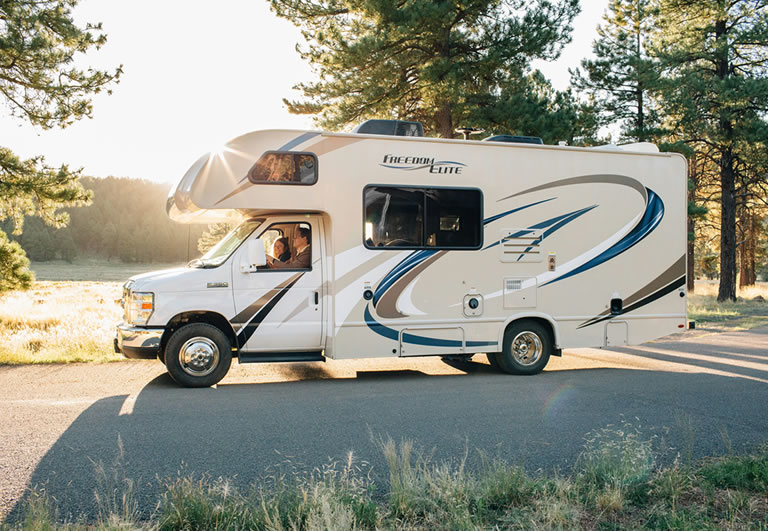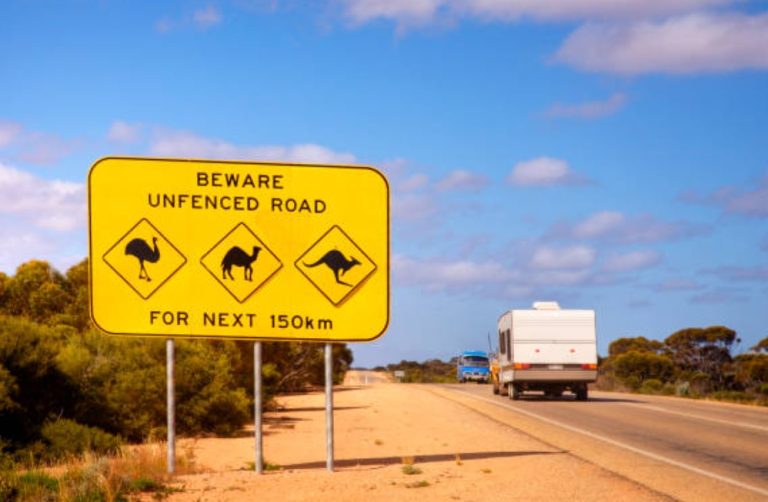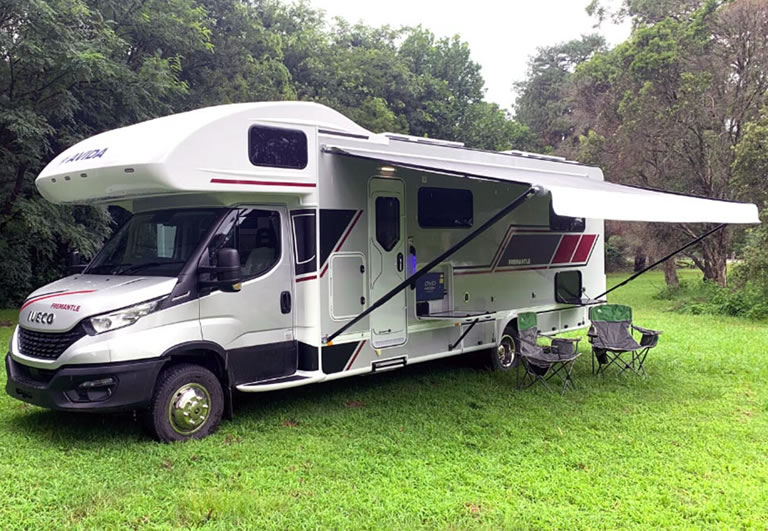
The gap between “we should do the Big Lap one day” and actually leaving the driveway usually comes down to gear. Not the fun stuff – the boring, unglamorous items that determine whether week three of a caravan trip around Australia feels like freedom or feels like a slow-motion breakdown. Here is what actually earns its place in the van, based on what experienced lappers consistently pack, and what they wish they had left at home.
Key Takeaways
- Vehicle and mechanical prep matters more than any single accessory – a full service, tyre check, and basic spares kit prevent more trip-ending problems than any gadget.
- Connectivity gear (a signal booster, Wi-Fi booster, or satellite internet) has gone from optional to essential for navigation, weather updates, and emergency contact in remote areas.
- Independent power (solar and a decent battery setup) and water storage are what actually let you free camp instead of chasing powered sites every night.
- Recovery gear and a proper first aid kit are non-negotiable once you are more than a short drive from help, regardless of how confident you are in the vehicle.
- Overpacking is the most common rookie mistake – most experienced lappers end up leaving items behind within the first few weeks.
Vehicle and Mechanical Prep
Before any gear list, the vehicle itself needs to be trip-ready. This is the least exciting part of preparation and the part most likely to end a trip early if skipped:
- Full service covering oil, fluids, filters, and belts – especially important if the caravan or tow vehicle has been sitting idle.
- Tyre condition and a genuine spare, checked on both the tow vehicle and the caravan, not just the car.
- Battery, brakes, and hoses inspected by a mechanic familiar with towing setups, not just a general service.
- Basic spare parts for your specific rig – fan belts, fuses, and any part that has failed on the vehicle before.
Power and Connectivity
Large stretches of regional and outback Australia have little to no mobile coverage, and modern trip planning – weather, fuel stops, campsite bookings, emergency contact – increasingly depends on staying connected. A mobile signal booster is one of the most commonly recommended additions for exactly this reason, extending a weak signal into something usable rather than relying on hoping for the best near town.
Alongside connectivity, independent power is what actually lets you free camp instead of booking a powered site every night:
- Solar panels or a solar blanket, sized to your fridge and battery use.
- A deep-cycle battery and DC-DC charger to keep power topped up while driving.
- An inverter if you need to run mains-powered devices off the battery bank.
Water and Recovery Gear
Water security and the ability to get yourself unstuck are the two things that separate a manageable outback detour from a genuine emergency:
- Extra water storage beyond the caravan’s built-in tank, particularly for remote or desert routes.
- Basic recovery gear – a snatch strap, shovel, and traction boards if you plan to leave sealed roads at all.
- A tyre pressure gauge and compressor, since airing down and back up is routine on unsealed tracks.
Safety and Emergency Items
- A comprehensive first aid kit – ideally one for the car and a separate one for the caravan.
- A UHF radio for communicating with other vehicles on the road and at truck-heavy sections of highway.
- A reversing camera for the caravan, which makes hitching up and reversing dramatically easier when travelling solo or without a spotter.
- An emergency beacon (PLB or satellite messenger) for genuinely remote legs where phone coverage and boosters will not help.
Campsite Comfort
Once the essentials are covered, a handful of comfort items make the difference between camp feeling like a chore and feeling like the reward at the end of a long driving day:
- A quality awning or annexe for shade and an outdoor living space, without the bulk of a full gazebo.
- A car fridge or upgraded caravan fridge, which matters more than almost any other comfort item on a long trip.
- A decent mattress topper – sleep quality affects mood and decision-making on the road more than most people expect.
What to Leave Behind
Experienced lappers are remarkably consistent on this point: most people overpack on the way out and spend the first month quietly offloading things they never use. Common culprits include duplicate kitchenware, too many clothes (most travellers settle into wearing the same handful of favourites), and specialty gadgets that sound useful but rarely get used outside a specific hobby. Pack for the trip you are actually taking, not every contingency you can imagine – you can always pick up what you genuinely need along the way.
Frequently Asked Questions
Do I really need a signal booster if I already have Wi-Fi or satellite internet?
They solve different problems. Satellite internet like Starlink is excellent for data at camp, but a mobile signal booster improves phone and SMS reception while driving, which matters for navigation and emergency calls in areas satellite setups are not practical to use.
How much solar power do I actually need?
It depends on your fridge, how much you run lighting and devices, and how often you plan to free camp versus stay at powered sites. As a starting point, most caravanners size their solar and battery setup around running the fridge continuously plus basic lighting and charging for two to three cloudy days without topping up.
Is recovery gear necessary if I am staying on sealed roads?
If your entire trip stays on sealed highways, basic recovery gear is less critical. Most Big Lap routes eventually involve at least some unsealed or remote sections, so it is worth having the basics even if you do not expect to use them often.
What is the single most overlooked item on most packing lists?
A genuine pre-trip mechanical inspection. Gear lists get most of the attention, but a vehicle or caravan issue that surfaces a thousand kilometres from home causes far more disruption than any missing accessory.
This guide reflects general advice current as of 2026 based on common practice among experienced Australian caravan travellers. Specific gear needs vary by route, vehicle, and season – check current road and regional conditions before a remote trip.
Before you load any of it, check you have the payload to carry it: see caravan payload explained and towing laws in Australia.